Performance Medicine

We get performers.

We understand that being a performer is like no other job.

We get the hard work goes beyond just stepping onto the stage and doing your thing. The hours, the commitment, the highs and the lows. To produce your best performance you need your body to be working at it’s peak.
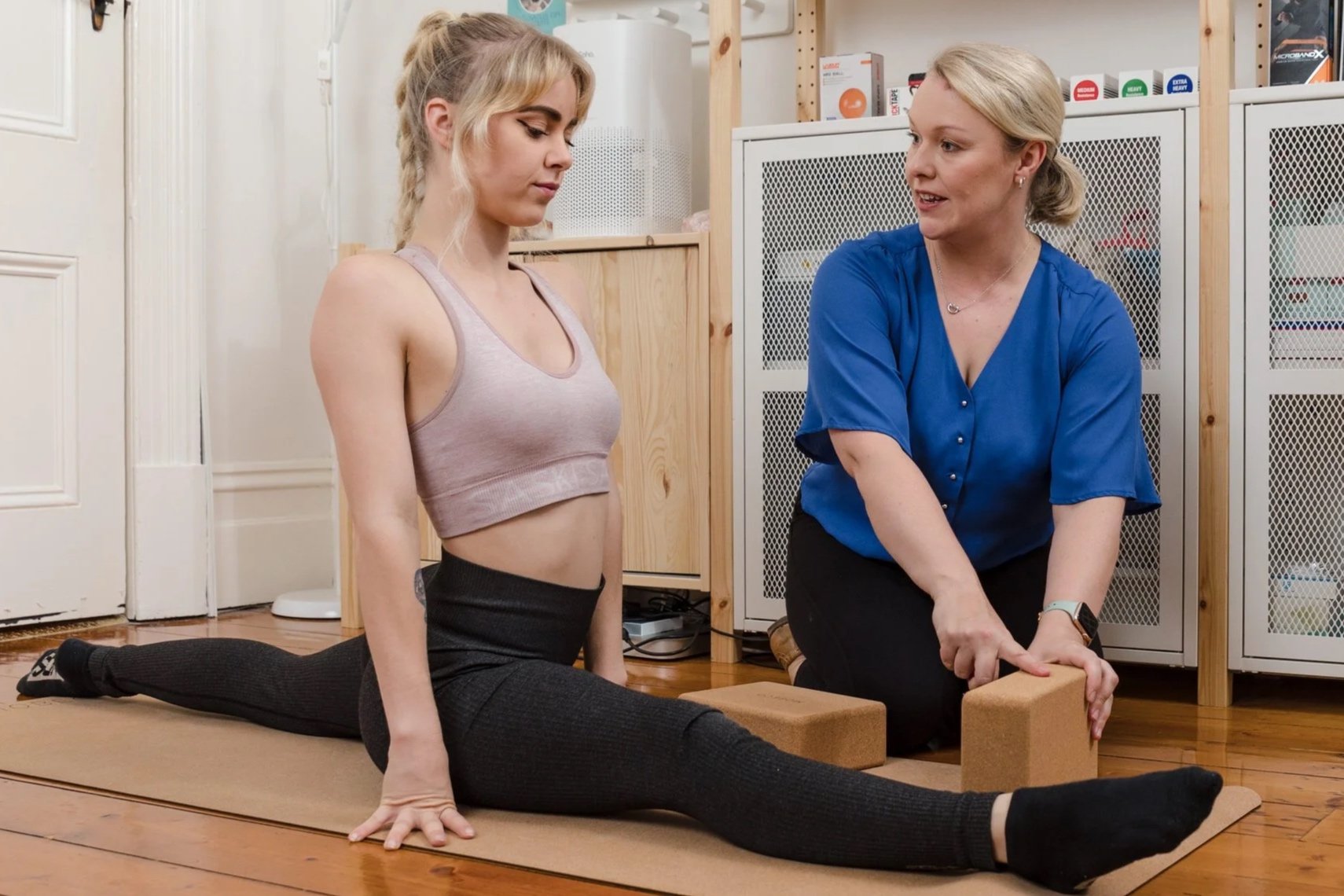
A young woman in workout clothes doing a split on a yoga mat, assisted by an instructor in a blue shirt holding yoga blocks, in a fitness or wellness studio.
A woman in a blue medical uniform is assisting a young woman with a saxophone, helping her position her arm properly. The young woman is holding a gold-colored saxophone and is wearing a beige satin top. They are in a medical or educational setting with anatomical charts on the wall behind them.
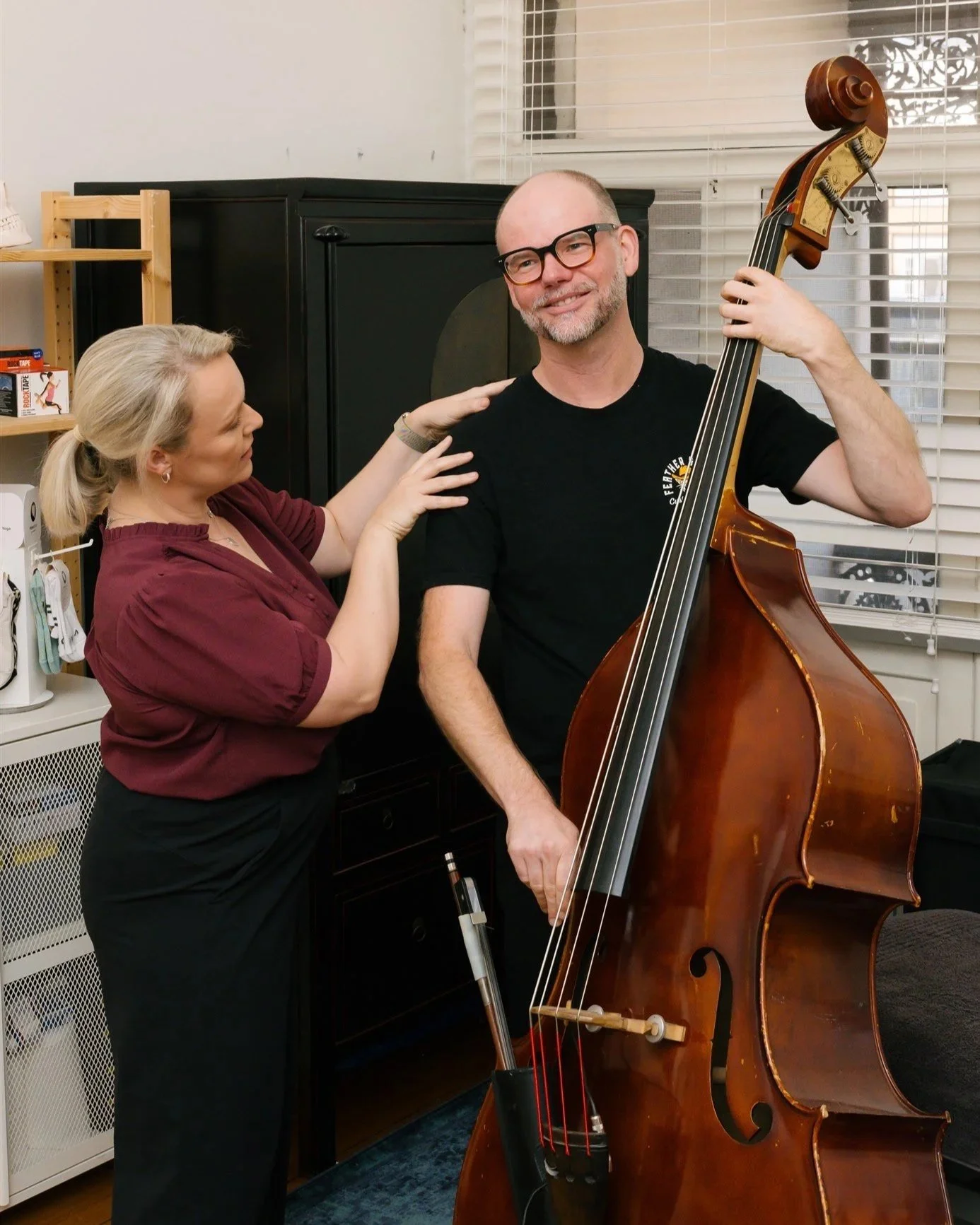
Woman with blonde hair and a burgundy blouse touches a man with glasses and a black T-shirt who is playing a large upright bass.

When you’re a performer you need to be supported by people who get you and get what you do.

We get you.
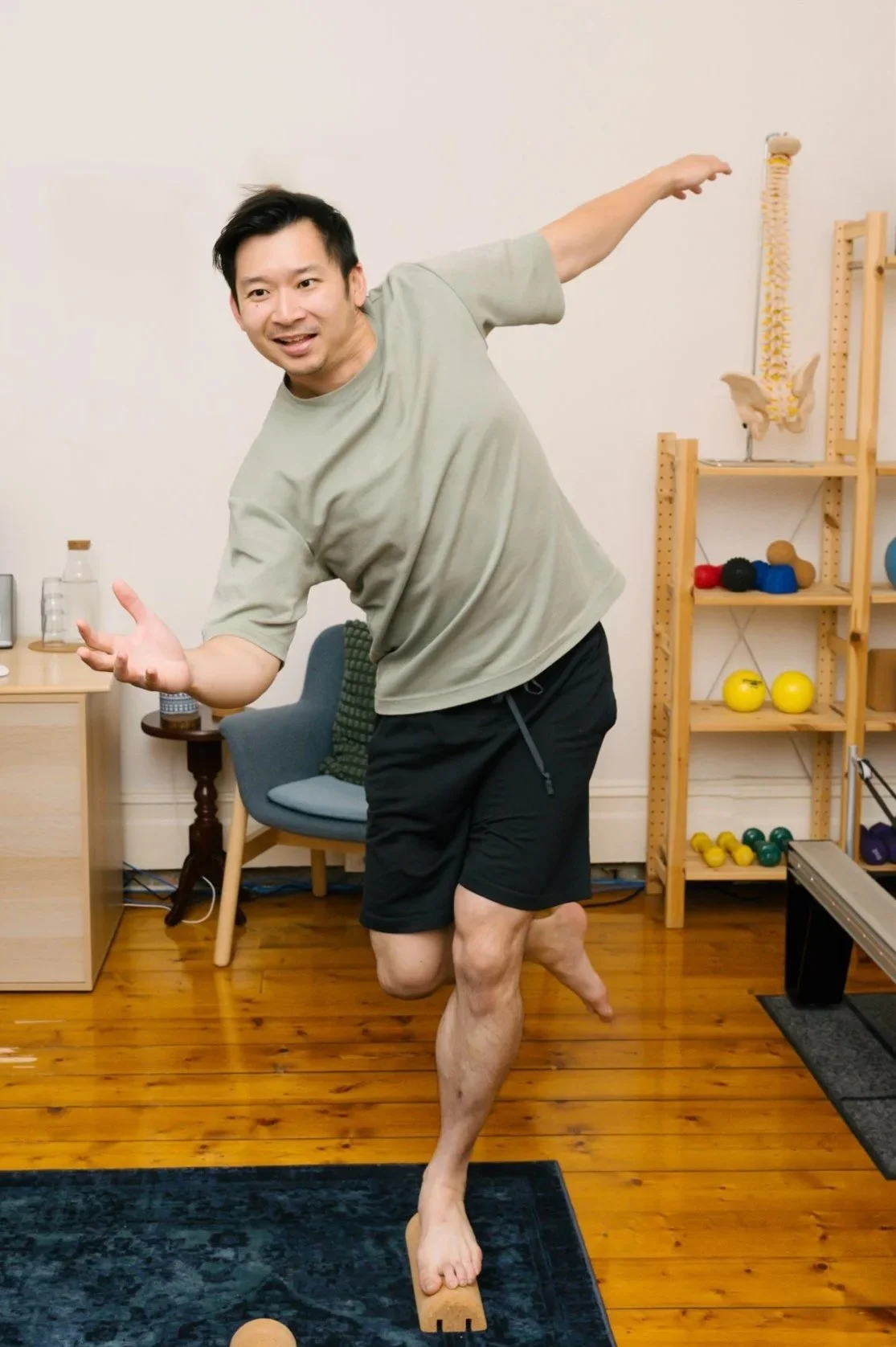
A man practicing balance on a skateboard in a room with wood flooring, exercise equipment, and a wall-mounted model of a human spine.
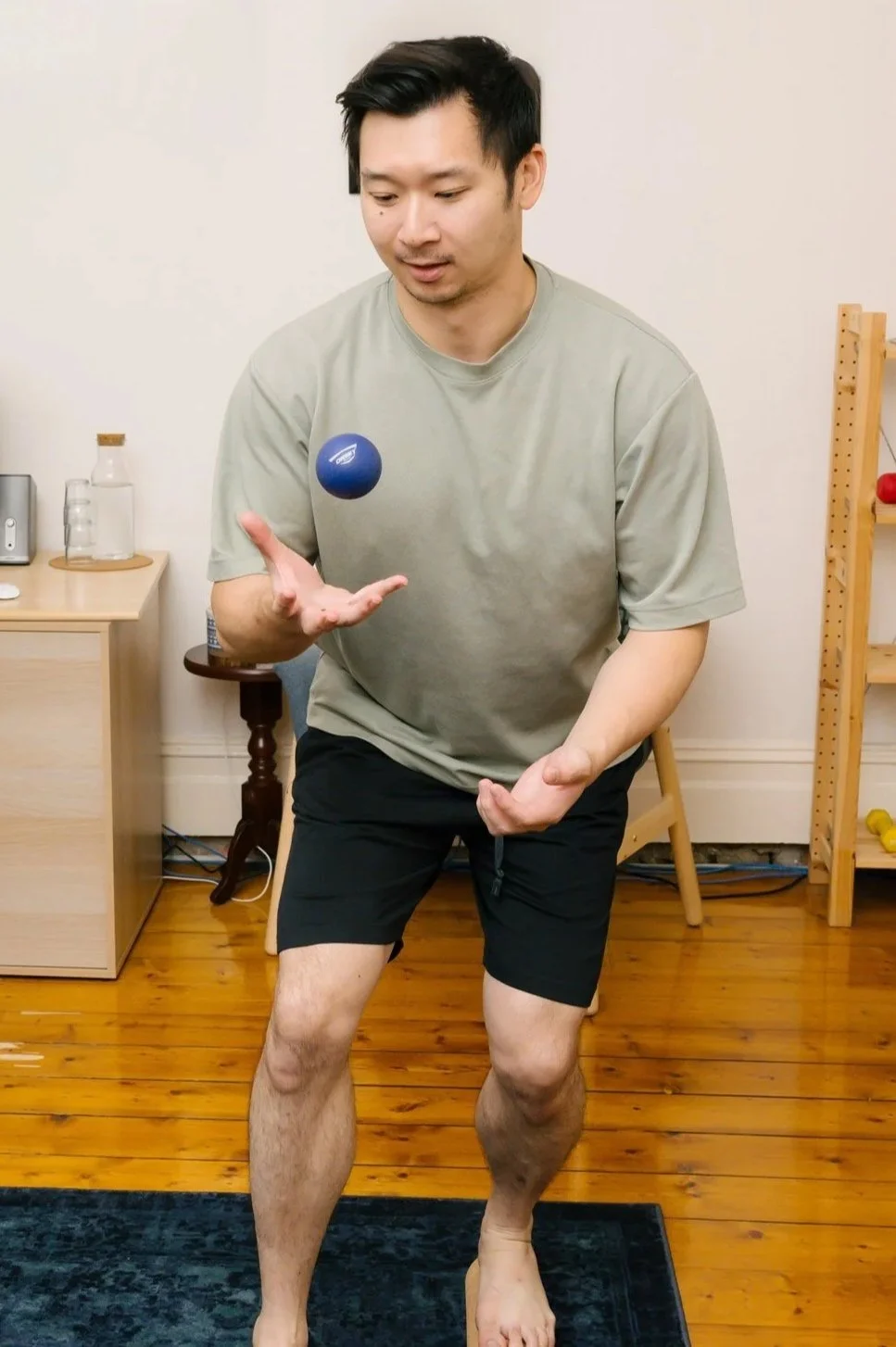
Man standing on a wooden floor, tossing a blue ball from one hand to another, in a room with a small table and a shelf.
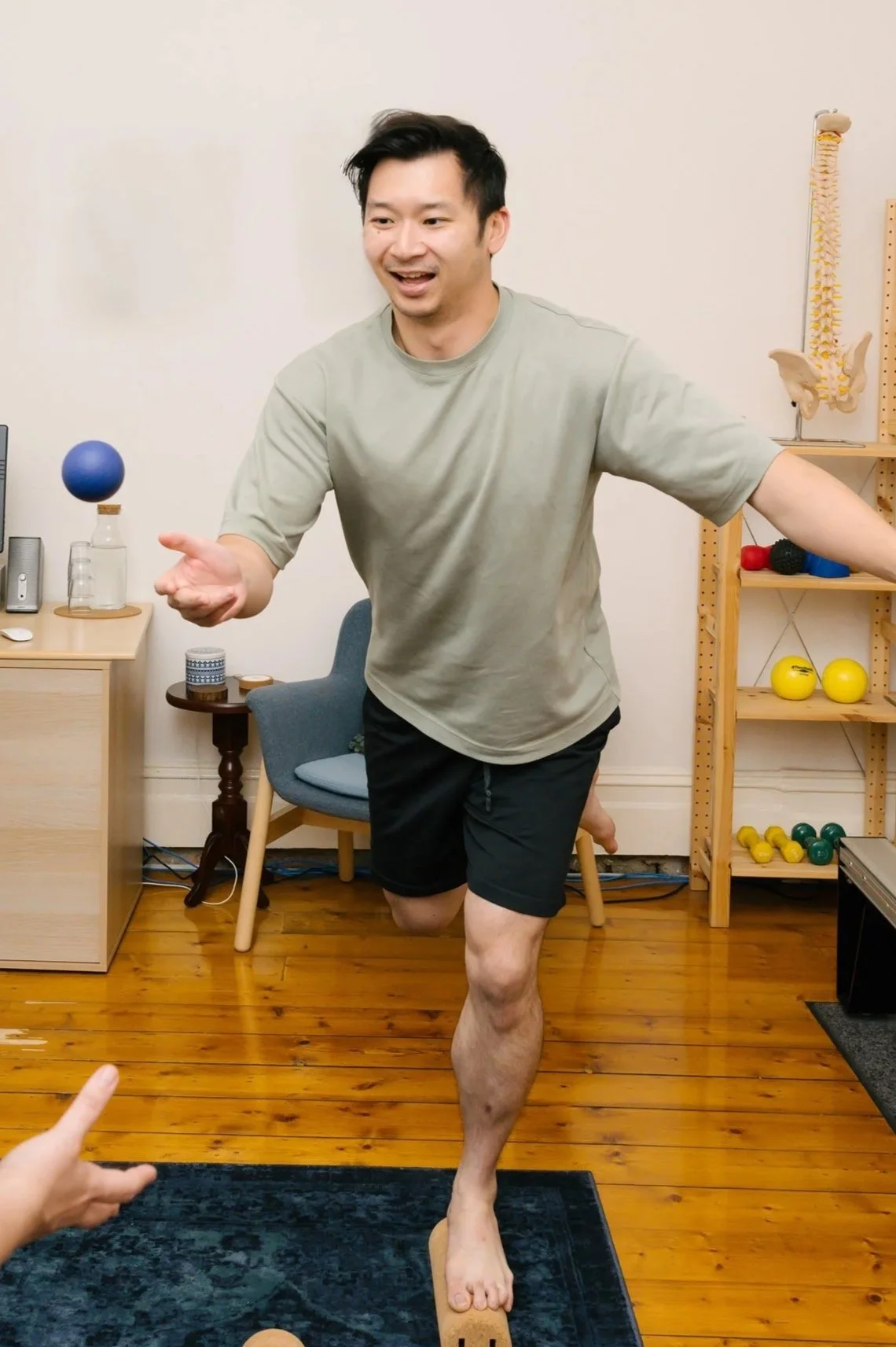
A man with black hair wearing a gray T-shirt and black shorts balancing on a wooden balance board, smiling and pointing towards a blue ball in an indoor room with wooden floor and sports equipment and furniture.

We understand what’s important.

We understand that every performer is unique, we understand that you’re juggling life and work and (sometimes literally) have lots of balls in the air all at the same time!
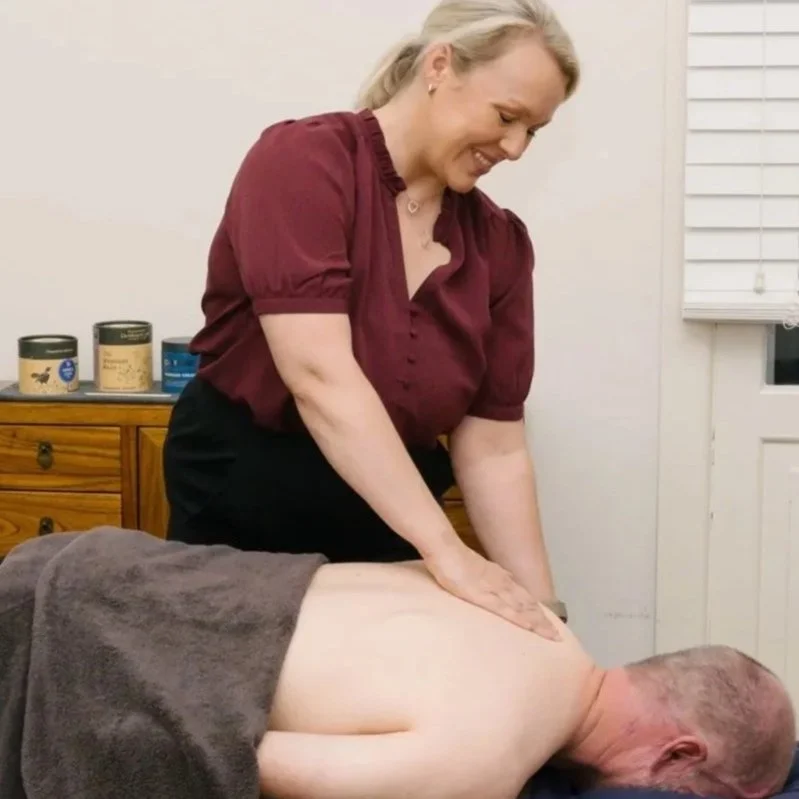
A woman giving a massage to a man lying face down on a massage table, with a towel covering his lower back.

We recognise that the health of the performing artist and the quality of their art are inextricably linked.

At the same time, the long held belief that an artist must ‘suffer for their art’ persists. This means that, often, wellbeing and artistry are treated as if they are unrelated.

Manual therapy has been used for centuries to help treat all types of pain, injury, stiffness and dysfunction. But it' also has an important role in supporting mental wellbeing as well.

Invest in your healthcare to find your best performance